As you may have read, I have recently completed the UN Climate Change Teacher course. The next step my my professional development, and also in ensuring the course has lasting impact is to incorporate the materials into my teaching. With this in mind, I thought I would share with you what I have done so far in relation to A Level geography.

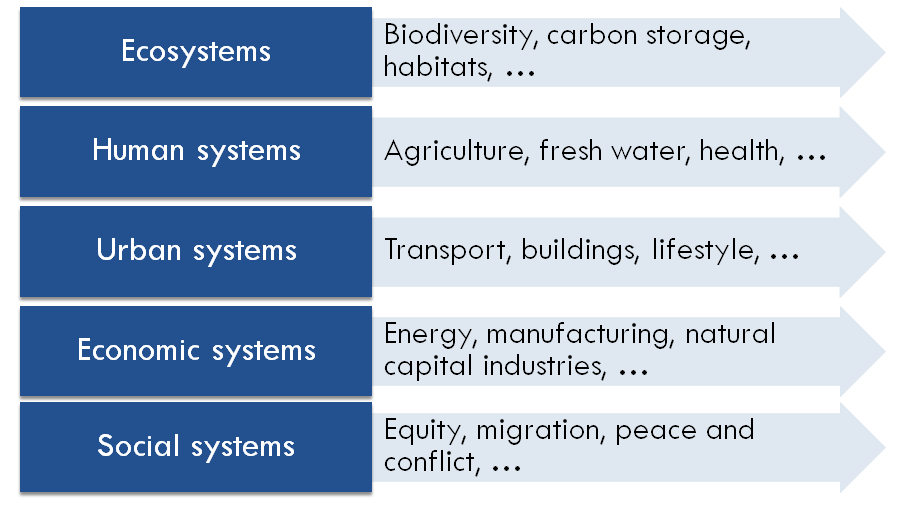
The image has been taken from the AQA Geography specification available here – I decided to focus on the role of the UN here, and their role in climate change. So where to start? Well, I decided to use the material from the Paris agreement, as I felt the Paris Agreement was a really good example of an attempt at global governance, and the issues that are associated with it.
I began by looking at the aims of the Paris agreement aims. All of the quoted text below has been taken from the Take away summary resource
The Paris argeement aims to
The goals of the Agreement are to keep global temperature rise well below 2°C above pre-industrial temperatures while pursuing efforts to limit it to 1.5°C
By including this in the aim of the Paris agreement, there is a desire to develop a series of social norms which will in turn help to reduce global temperature rise.
These goals are to be achieved in a manner that reflects equity and the principle of common but differentiated responsibilities and respective capabilities, in the light of different national circumstances.
Here the concept of common goals but taking into account the level of development of the countries involved is outlined in the Paris agreement. This is an area that I wish to explore further with the students, as this will allow deep thinking about why common goals are important, but also why differentiated responsibilities and capabilities are needed in order for global governance to work in practice. I shall also explore why the Paris Agreement has moved away from defining countries as either developed or developing.
This idea of differentiated actions is further explored here
The Agreement emphasizes the capacity building needs of countries with the least capacity, such as least developed countries (LDCs), and those that are particularly vulnerable to the adverse effects of climate change, such as small island developing States (SIDS), to help them take effective climate change action including on mitigation, adaptation, technology development and transfer and to access climate finance

This will further stimulate and provide an opportunity for students to investigate one of these SISS, and investigate:
- Why it is at risk from climate change.
- What mitigation is taking place.
- How is adaptation taking place.
- Which developed countries are supporting them.
When looking at how the Paris Agreement can regulate global systems, I shall draw the students attention to how the Paris agreement works, and what is expected from each country that has signed up to the agreement, in short:
Countries are expected to communicate Nationally Determined Contributions (NDCs) detailing actions towards meeting the goal of the Agreement every five years. Each new NDC should represent an increase in ambition
I shall ask students to explore the NDCs of a selection of countries found here and consider to what extent (exam style) th NDCs are similar and how effective they might be.
Also linked into the concept of globalisation and the flow of finance, the Paris Agreement encouraged globalisation in this sense as
Developed countries will provide finance to developing countries to assist them with their mitigation and adaptation efforts, and will report their public financial contributions to developing countries in a detailed manner every two years. Developing countries may also voluntarily provide support.
I will ask students to consider the roles here. It is right that “developed” countries are expected to provide finance to “developing” countries?
I will finish this section by asking students to consider how the Paris Agreement can be enforced when there is a non-punitive approach. Is this possible? This ties into the idea of “Issues” in the A Level Spec.
An implementation and compliance mechanism is established, consisting of a committee of experts, to facilitate implementation of the provisions of the Paris Agreement in a transparent and non-punitive manner, and promote compliance with the Paris Agreement.
This will be further explored as I introduce to the students who signed and who did not sign. Does this cause an issue, and if so why?

That’s all for now. As always, I would love to hear some feedback or comments.
Paul

 Geographical reflections